
💧 Summary: How to Stop Soakaway Overflow
A flooded soakaway doesn’t just produce foul odors—it risks contaminating your family’s borehole water and costs thousands of dollars to dig out and rebuild. Overflow is primarily caused by bio-mat clogging (sludge escaping the septic tank), heavy stormwater saturation during Harare’s rainy season, and poor water percolation in high-clay suburbs. You can prevent 90% of overflows by desludging your septic tank every 1–3 years, diverting roof stormwater, and stopping cooking grease from entering household drains.
Understanding Your Soakaway: How It Actually Works
Many homeowners across Harare treat their septic tank and soakaway as a single black box. In reality, they perform two completely separate, interdependent functions:
- The Septic Tank: An airtight settling chamber where heavy solids settle to the bottom (sludge) and oils/fats float to the top (scum). Anaerobic bacteria break down solids, allowing only semi-clarified liquid effluent to exit through the overflow pipe.
- The Soakaway (French Drain): A network of perforated pipes laid inside aggregate stone trenches. Its sole job is to allow clean effluent water to naturally seep (percolate) through the surrounding soil.
When a soakaway overflows, it is almost never because the ground “suddenly stopped taking water.” It usually means the septic tank filled with solids, forcing raw sludge into the stone drainage field, forming a waterproof, rubbery layer called a bio-mat. Once this happens, the soil can no longer absorb liquid.
Harare Soil Challenges: Why Your Suburb Matters
Harare’s geological diversity means a drainage system that works effortlessly in one suburb may struggle just 5 kilometers away. Review how local soil types impact your soakaway:
| Harare Zone / Suburbs | Dominant Soil Type | Percolation Rate | Primary Overflow Risk Factor |
|---|---|---|---|
| Belvedere, Avondale, Mount Pleasant, Vainona | Heavy Red F略 (Clay loam) | Moderate to Slow | Clay expands when saturated, slowing drainage during continuous rainy spells. |
| Borrowdale, Glen Lorne, Chisipite, Shawasha Hills | Granitic, Rocky outcrop | Variable / Shallow Depth | Bedrock limits trench depth, causing surface pooling on sloped ground. |
| Waterfalls, Hatfield, Logan Park, Prospect | Sandy loam / High water table | Seasonal Failure | Water table rises to within 1 meter of the surface between December and March. |
| Ruwa, Norton, Chitungwiza (Zengeza/Seke) | Black cotton soil & dense clay | Very Poor | High organic density causes rapid saturation and standing water pools. |
6 Proven Actions to Prevent Soakaway Overflow
1. Empty Your Septic Tank on a Strict Schedule
The most effective safeguard for any soakaway is scheduled vacuum tanker pumping. If solid sludge builds past 35% of the septic chamber’s depth, untreated particles escape into the stone drain. Review our updated guide on septic tank emptying cost in Harare to plan routine servicing before emergency backups strike.
2. Never Pour Fats, Oils, and Grease (FOG) Down the Sink
Cooking oil and animal fats are the primary cause of soakaway death in residential kitchens. When hot oil cools inside underground drains, it solidifies into cement-like deposits known as “fatbergs.” In the soakaway trenches, oils coat the gravel stones and soil pores with an impermeable grease barrier that water cannot permeate. Wipe greasy pans with paper towels and dispose of them in solid waste bins.
3. Divert Stormwater and Roof Gutters Away
Your soakaway is engineered specifically for household wastewater (showers, sinks, and toilets). Connecting your roof downspouts, driveway channels, or pool backwash lines into your septic system will flood it instantly. A single 30-minute summer downpour in Harare can dump over 3,000 liters of rainwater into your soakaway, forcing raw sewage to bubble up onto your lawn.
4. Spread Laundry Days to Avoid Hydraulic Shock
Doing seven loads of laundry on a single Saturday morning creates “hydraulic shock”—a sudden surge of hundreds of liters of water coursing through the septic tank in just a few hours. This fast-moving water stirs up settled sludge from the tank bottom and pushes it directly into your soakaway trenches. Space your washing across several days to give your drain field time to rest and absorb.
5. Keep Trees with Aggressive Roots at Least 15 Meters Away
Willows, Eucalyptus, Jacarandas, and Bougainvillea have fine, moisture-seeking root systems that will crack septic inspection chambers and completely choke soakaway perforated pipes. If planting privacy screens near your drainage field, select shallow-rooting shrubs or lawn grass only.
6. Avoid Excessive Bleach and Caustic Drain Openers
Your septic tank relies on billions of living anaerobic bacteria to liquefy organic solids. When residents flush cups of pure bleach, battery acid, or strong caustic soda to clear a slow drain, they inadvertently kill off these beneficial microbes. When the bacteria die, solids remain intact and wash over into the soakaway.
⚠️ Critical Health Notice: The Borehole Contamination Risk
Due to municipal water shortages in Harare, almost every residential property relies on a borehole. Zimbabwe Environmental Management Agency (EMA) and public health regulations mandate a minimum safe distance of 30 meters between a soakaway and any borehole. An overflowing or saturated soakaway allows E. coli and fecal coliforms to enter the shallow water table, polluting your domestic drinking supply.
Early Warning Signs Your Soakaway is Failing
Soakaway failure rarely happens overnight. Watch out for these four progressive warning signs:
- The “Wonder-Lawn” Indicator: A noticeably greener, faster-growing patch of grass directly above your French drain trench, even during the dry winter months.
- Slow-Gurgling Fixtures: Sinks, showers, and ground-floor toilet bowls bubbling or draining sluggishly when other taps are run.
- Spongy Ground or Foul Odors: Soft, muddy soil above the tank cover slabs accompanied by a sour, sulfur-like smell in the late afternoon or after rain.
- Backflow in Low Fixtures: Effluent backing up into ground-floor shower trays or exterior gulley traps during peak water usage.
How to Fix an Overflowing Soakaway
Depending on the extent of the damage, you have three primary remediation options:
| Remediation Method | When It Works | Pros & Effectiveness |
|---|---|---|
| Vacuum Tanker Complete Emptying | When backup is caused by high solids volume in the primary tank chambers. | Immediate pressure relief; resets system equilibrium for months. |
| High-Pressure Drain Jetting | When perforated distribution pipes are clogged by roots, silt, or grease. | Cleans out pipe interior without digging up landscaped lawns. |
| Secondary French Drain Excavation | When the existing soil field has suffered permanent bio-mat saturation. | Long-term permanent solution; expands total absorption capacity. |
When hiring sanitation professionals, ensure you only use compliant operators adhering to certified waste removal services in Zimbabwe that safely transport bio-waste to designated municipal disposal sites.
Frequently Asked Questions (FAQs)
How long should a domestic soakaway typically last in Harare?
A properly constructed soakaway in well-draining soil can last 15 to 25 years. However, in heavy red clay or black cotton soils—or if the septic tank is never emptied—a soakaway can clog up and fail in as little as 3 to 5 years.
Can I pour salt or chemicals into my soakaway to unclog it?
No. Salt, acids, and harsh caustic lyes do not dissolve bio-mats and will seep into the surrounding groundwater, risking contamination of your own and your neighbors’ drinking boreholes. Mechanical pump-out and proper stone drainage clearing are the only safe methods.
Why does my soakaway only overflow during the rainy season?
During Harare’s summer rains, the water table naturally rises and the surrounding topsoil becomes saturated with rainwater. If your soakaway is shallow or receives runoff from gutters, it loses its ability to absorb additional wastewater, leading to temporary surface overflows.
Is Your Soakaway Saturated or Backing Up?
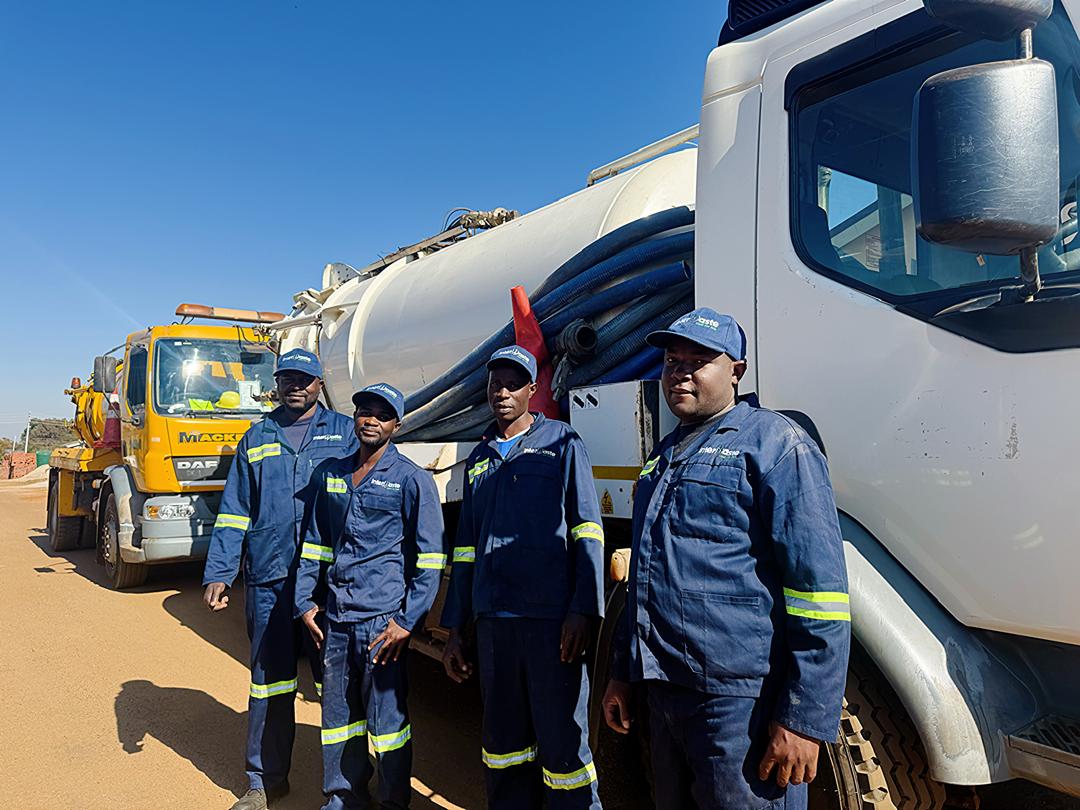
Don’t let overflowing wastewater damage your lawn or threaten your family’s borehole. Interwaste Zimbabwe provides rapid-dispatch vacuum tankers and drainage assessments across all Harare suburbs.